
24/7 Emergency Line Open
Water damage restoration
Emergency Water Damage Cleanup and Drying in Cheltenham Homes
Water damage gets worse by the hour. Soaked drywall, carpet and framing begin to break down quickly, and once materials stay wet long enough, mold can follow. The order matters: stop the water, remove what is standing, dry the structure, then repair.
Finding and stopping the source is the first job, and it belongs to a plumber serving your area. The sections below explain what happens next, what to do yourself in the meantime and what to expect from the drying and mold stages.
- Licensed and insured plumbers
- Same-day service when available
- 24/7 emergency dispatch
Water extraction: the first hours after a leak or flood
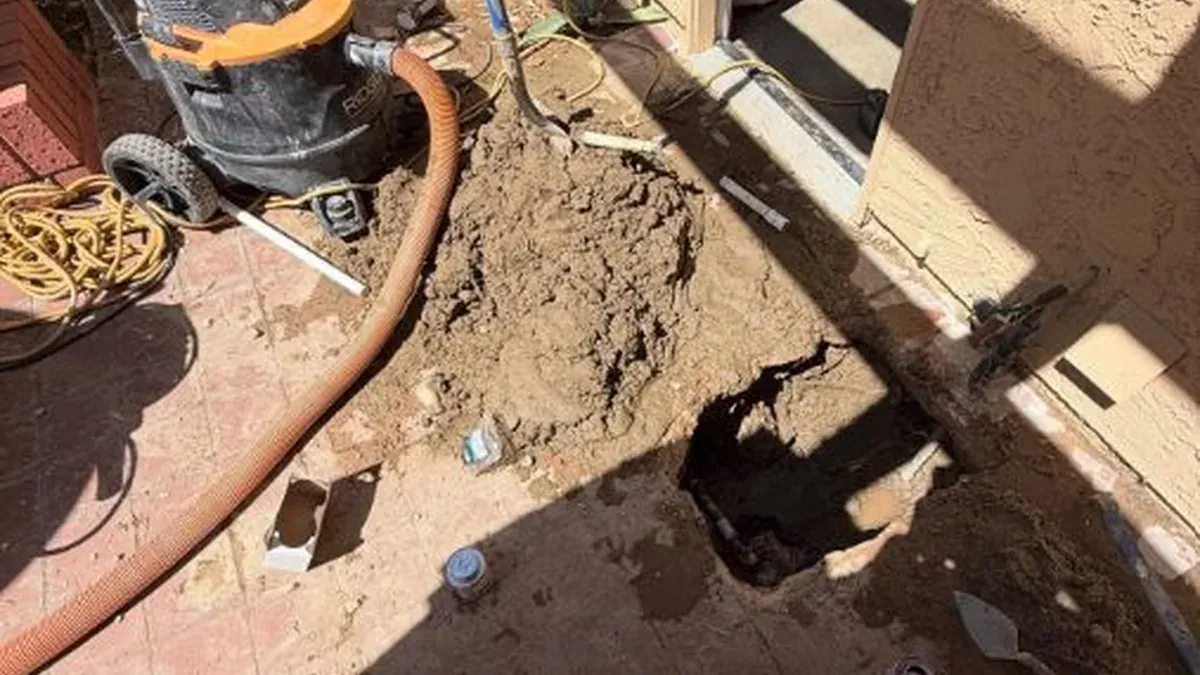
Standing water is removed first, because every hour it sits it soaks further into subfloors, baseboards and the lower part of walls. Pumps handle deep water, and wet vacuums take the rest. Drains and sump pits are checked so water has somewhere to go, and soaked contents are moved to a dry space.
- Stop the source: close the main shutoff for a broken pipe, or the appliance valve for a failed supply line.
- Switch off power to wet areas from the panel if you can reach it safely, and stay out of standing water near outlets.
- Move furniture, rugs and valuables out of the wet zone, and lift anything that can wick water off the floor.
- Photograph every affected room and item before cleanup begins, for your records and your insurer.
Environmental guidance is consistent on one point: dry water-damaged areas and items within 24 to 48 hours, because in most cases mold does not grow if materials are dried that quickly (EPA, A Brief Guide to Mold, Moisture and Your Home, read November 2026).
Flooded basements, crawl spaces and whole-house flooding
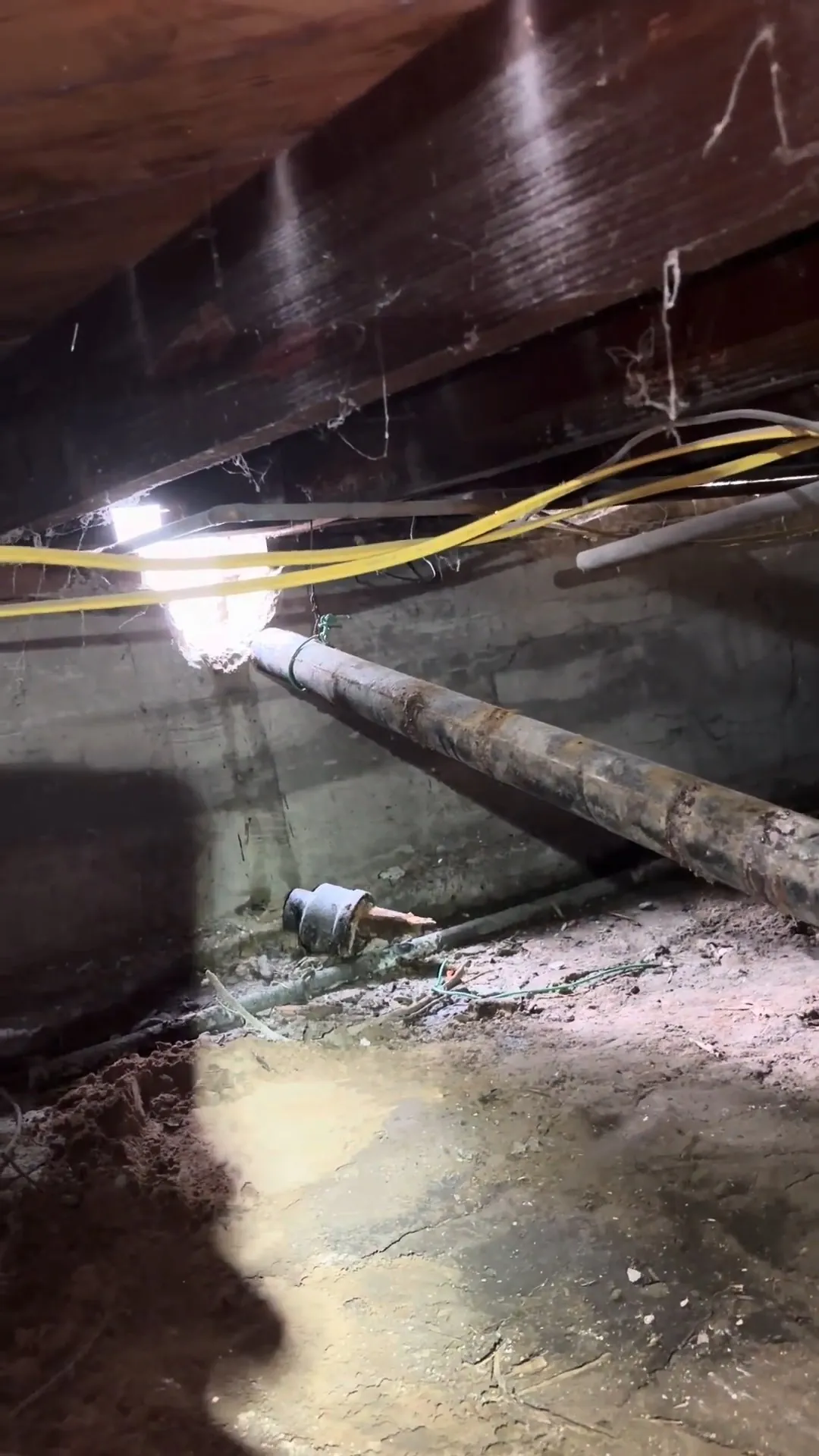
A basement can flood from a failed sump pump, a burst line, groundwater pressing through the floor or runoff from a storm. Crawl spaces are harder, since the water is out of sight and takes longer to dry. A garage that floods is common too, since its slab sits low and drains slowly. Whole-house flooding from a large pipe failure or a rising creek is a bigger job still, with water in multiple rooms and a longer drying plan.
Cheltenham has a history that makes this more than a theoretical concern. Tookany Creek runs through the township, and a WHYY report on a proposed housing development describes a long history of flooding there, with downstream residents reporting frequent flooding on their properties and a federal study linking local urbanization to more runoff and less capacity in the creek. If you live near it, take sump pump failures and slow drains seriously, and have a plan for where the water goes.
Tookany Creek and local flooding
A WHYY article on a housing proposal along Church Road in Elkins Park says Cheltenham has a long history of flooding, that downstream owners report frequent flooding and that a 2015 Army Corps of Engineers report ties urbanization to more runoff and less carrying capacity in Tookany Creek.
Source: WHYY, read November 2026.
Water in the house right now?
Call dispatch, shut off the main if a pipe is the source and tell the dispatcher where the water is. A plumber can stop the leak so the drying can begin.
Sewage backup: why contaminated water is handled differently
Water that has come up through a floor drain, a toilet or a basement sink is not clean. It carries bacteria and can contaminate anything it touches. Porous materials such as carpet, padding, insulation and drywall that were soaked by sewage are usually removed and discarded rather than dried. Hard surfaces are cleaned and disinfected.
The cause matters as much as the cleanup. A blocked lateral, a collapsed line or a clog in the main can send waste back into the house, and unless the line is cleared, the problem returns. The sewer backup repair page explains how the line is cleared and inspected, and the drain clearing options page covers clogs closer to the fixtures.
Safety: avoid contact with sewage, keep children and pets away, and do not run fans or vacuums over it. EPA advises calling a professional experienced with contaminated water when sewage is involved.
Burst pipes and plumbing leaks that soak a house
A split supply pipe can release a hundred gallons or more in an hour, and a slow leak inside a wall can soak insulation for weeks before a stain shows. In both cases the repair and the cleanup are linked: the pipe has to be fixed so the water stops, and the damage has to be mapped so nothing wet is left behind a wall.
The plumber finds the source and repairs it, whether that is a split pipe, a failed fitting, a leaking heater or a fixture connection. Those fixes are described on the burst pipe repair page, the failed tank repair page and the buried line repair page. A hidden leak is traced with the methods on the hidden leak tracing page, and a leak under a concrete floor is handled as described under slab leak repair.
Damage assessment and the major loss inspection
Before drying begins, the extent of the damage has to be mapped. Moisture meters read dampness in drywall, wood and concrete, thermal cameras show cool wet areas behind finished surfaces, and a visual check follows the water from its entry point. The result is a record of which rooms and materials are wet, which can be saved and which have to be removed.
For a major loss, such as a whole floor soaked or water above the ceilings, the assessment is more detailed and usually includes the structure, electrical systems and the HVAC. A written report with photographs and readings supports both the drying plan and any insurance claim. Ask for the moisture readings at the start and at the end, so you can see the dry-out worked.
How a restoration job runs from start to finish
A typical job follows a fixed order, and knowing it helps you judge whether the work is on track. The steps overlap in practice, but the sequence stays the same.
| Stage | What happens | What you see |
|---|---|---|
| Stop the source | A plumber shuts off and repairs the leak | Water stops |
| Extract | Pumps and wet vacuums remove standing water | Floors no longer wet to the touch |
| Assess | Meters and cameras map the damage | A list of wet rooms and materials |
| Dry | Air movers and dehumidifiers run for days | Machines in the rooms, readings falling |
| Clean | Affected surfaces are cleaned and, where needed, disinfected | Odors and residue removed |
| Repair | Drywall, flooring and finishes are replaced | The space looks normal again |
Drying takes days, not hours. Air movers push air across wet surfaces, dehumidifiers pull moisture out of the air, and readings are taken each day until the materials return to normal. Pulling the equipment early is the most common cause of mold returning.
Drying equipment, flooring and carpet
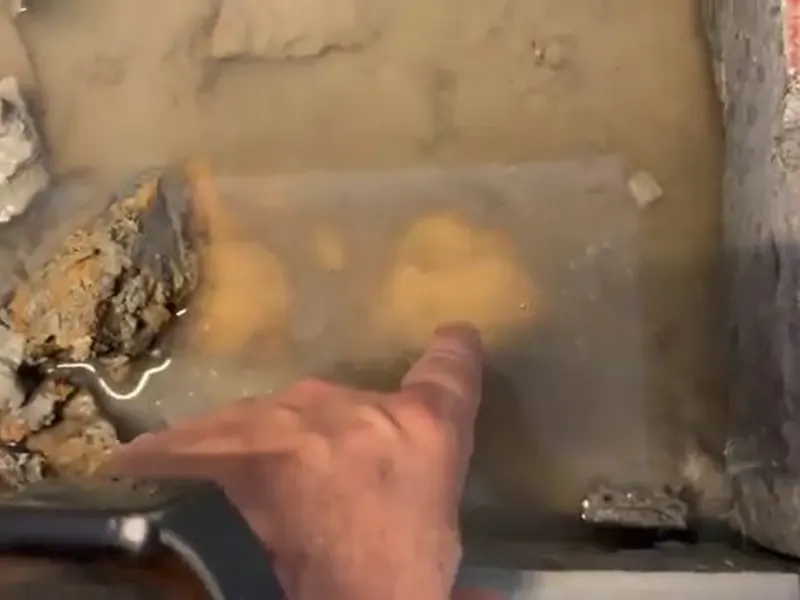
Air movers, dehumidifiers and sometimes heaters or desiccant units do the drying, and the mix depends on the room and the materials. Hardwood and laminate may be lifted in sections, carpet and its pad are usually pulled and dried or discarded and tile with a damp subfloor is checked from underneath. Drywall that has not swollen can sometimes be dried in place, while saturated or sagging sheets are cut out.
Carpet can be saved if it is clean water and is dried quickly. EPA guidance on wet carpet is to remove the water with a wet vacuum, pull the carpet and pad off the floor and dry them with a fan, with a dehumidifier lowering the room humidity. Wet carpet left in place for more than two days is a mold risk.
Mold testing, inspection and assessment
If a wet area was not dried within a couple of days, or a musty smell returns after cleanup, an inspection looks for hidden growth behind baseboards, inside walls and under flooring. Visual checks and moisture readings come first. Spore detection through air or surface sampling is sometimes used, though EPA does not generally recommend sampling because the result is hard to interpret and mold needs to be cleaned up whatever its type.
The better question is where the water went and whether it is still there. An inspection that finds a damp wall cavity or a continuing leak is more useful than a lab result. Ask for the moisture readings, a photo record and a plan that fixes the moisture source first.
Mold remediation and removal
Small patches of mold on hard surfaces can be cleaned with detergent and water and dried completely, and EPA says an area under about 10 square feet can usually be handled by the homeowner following its guidance. Larger areas, mold in a heating or cooling system or growth after sewage or contaminated water calls for a professional with containment and protective equipment.
Remediation removes porous materials that cannot be cleaned, such as soaked drywall and carpet, cleans and dries the rest and fixes the moisture problem so it does not return. Mold on outdoor wood such as a pavilion or deck is cleaned and dried the same way, with the cause of the moisture fixed first. Painting or caulking over mold does not stop it. A final check confirms that the area is dry and that no musty odor remains. Sources for the 10-square-foot figure are listed at the foot of this section: EPA mold guide and EPA remediation guidance.
Leaks that start outside the plumbing, and basement waterproofing
Not every wet ceiling comes from a pipe, and sorting out the real source early keeps the wrong repair from being paid for twice. A failed roof, a clogged gutter, a leaking air conditioner drain pan or an irrigation line can cause the same stains, and a neighbor's sprinkler can soak a shared wall or a closet carpet. A bathroom ceiling leak may come from the unit above or from the roof, not the pipes. Irrigation is a separate trade, so the plumber points you to the right one. The plumber checks the pipes first and tells you if the source is elsewhere, so the right trade is called in. A basement that floods in every storm points to a drainage or foundation problem, and fixing the plumbing alone will not solve it.
Where water enters through a foundation wall or floor, grading, gutters and downspouts are checked first, then drains and the sump pump. A permanent waterproofing fix belongs to a specialist, and a plumber covers the pumps, drains and discharge lines that work with it. Ask whoever inspects the basement to note the water line on the walls, any efflorescence or white mineral staining, and where cracks sit, since those marks show which way the water travels.
Wet drywall, damp carpet or a musty smell?
Call dispatch before closing up walls or laying new flooring. Early inspection costs less than redoing finished work.
Insurance paperwork, condos and commercial properties
Insurers treat different kinds of water differently. A sudden pipe burst, sewer backup and flooding from outside may each be covered under different parts of a policy or separate coverage, so read yours before you start and call your agent early. Keep the plumber's report on the cause, the photographs you took, the drying logs and every receipt. Do not wait for approval to stop further damage, since mitigation is usually expected.
Condo units and apartments add a question of who owns the pipe and who owns the damage, so notify the association or landlord at once. Shops and offices follow a similar sequence, with business interruption in the mix, and the business plumbing page covers service for commercial buildings.
Water damage questions answered
How soon do I need to dry out a house after a leak or flood?
As soon as the water is stopped. EPA guidance is to dry wet areas and items within 24 to 48 hours to prevent mold in most cases. If more than two days have passed, assume mold may be present and have the area inspected before closing walls or laying new flooring.
Do I need a plumber, a restoration company or both?
Often both, in sequence. Do now: stop the source, which is plumbing work. Then remove standing water and dry the structure. A plumber fixes the pipe, heater or drain that caused the problem, and the drying phase follows. If you start drying before the leak is repaired, the area floods again.
Can I save carpet and flooring after water damage?
Carpet can often be saved after clean water if the water is removed quickly and the carpet is lifted and dried. Padding is usually replaced. Hardwood may cup if left wet, and laminate and wallboard soaked for long periods are usually replaced. Sewage-soaked carpet and padding are discarded.
Should I get a mold test after water damage?
EPA generally does not recommend sampling, since mold needs to be cleaned up whatever its type and results are hard to interpret. A moisture inspection that finds where water remains is more useful. If the area is large, or growth appears after sewage or flood water, ask a professional for an assessment and a written plan.
What should I document before cleanup starts?
Photograph every wet room, ceiling stain and damaged item, and record the date and time you discovered the water. Save the plumber's report on the cause and all receipts. Keep a list of damaged contents with their approximate age and value, since your insurer will ask for it.
Stop the water, then dry what it reached
Call dispatch, say where the water is coming from and what has been shut off. The plumber stops the source so the drying can begin.
- Licensed and insured plumbers
- Same-day service when available
- 24/7 emergency dispatch