
24/7 Emergency Line Open
Questions answered
Plumbing Questions Cheltenham Homeowners Ask Most
Each answer below starts with the short version and then explains why. Open a question to read more.
If your situation is urgent, skip the reading and call (833) 840-2034.
- Licensed and insured plumbers
- Same-day service when available
- 24/7 emergency dispatch
Calling and getting a plumber on the way
What should I have ready before I call a plumber?
Know three things: where the main water shutoff is, what you can see or hear, and the street address with the ZIP code. Dispatch asks for the address first because it decides which plumber can reach you.
Then describe the symptom in plain words, such as a wet ceiling, a toilet that will not stop running or water that stays in the tub. Photos of the wet area, the pipe or the water heater label help a plumber arrive with the right parts. If you rent, add the landlord or building manager to the list, since a shared shutoff may need their approval.
What can I do while I wait for the plumber to arrive?
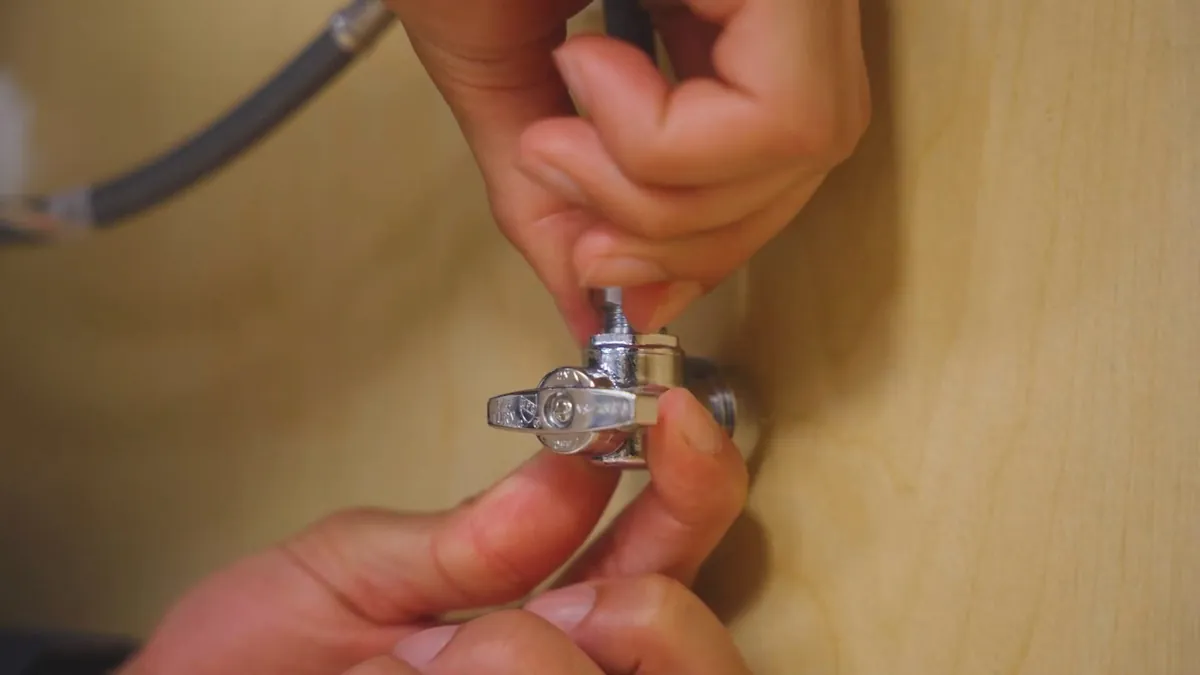
Stop the water first, then protect the room. Close the fixture valve if the leak is at a sink or toilet, and close the main valve if water is spreading or the source is unclear.
- Do now: shut the valve, move rugs and boxes off wet floors, open a drain if water is trapped above it, and photograph the damage.
- Do now if the area is wet and the panel is dry: switch off power to that room.
- Can wait: scrubbing, repainting, replacing wet drywall and shopping for a new fixture.
Do not run the dishwasher or washer while a drain is backing up, and do not mix chemical openers into a standing clog.
Can a plumbing problem wait until morning?
Start with what you can see. Water spreading across a floor, brown water backing up from a floor drain, a gas smell or no water at all means call now. A single slow sink, a drip under a cabinet that a bowl is catching or a faucet that only drips is usually safe to hold until daylight.
The common causes of a fast problem are a failed supply line, a burst pipe and a clogged main drain, and each one gets worse by the hour. Close the right valve, and judge by whether damage is growing. If it is, call, and if you smell gas, leave the building before you phone anyone.
How soon can a plumber come the same day?
It depends on the hour you call, the kind of problem and how many dispatches are already open, so dispatch confirms timing during the call and no arrival time is promised in advance.
Three things move the answer most. An active leak or a sewer backup is handled ahead of a dripping faucet. Your address decides which plumber is closest, and the areas we serve page shows the towns covered. Parts matter too, since a standard fixture is usually on the truck while a special valve may need a second visit.
What a plumber handles and what belongs to another trade
Do you take home calls only, or commercial plumbing too?
Both, with a clear difference in how each is handled. Home calls are the core of the network, and the plumber arrives, explains the problem and options, and works once you agree.
Commercial calls for shops, offices and multifamily buildings follow the commercial plumbing page. Pick the home route for a house, condo unit or rowhouse, and the commercial route when a business owner or building manager must approve the work. A large renovation, a tenant buildout or specialty process piping may need a contractor with a different scope.
Can the plumber also fix a furnace, wiring or a well pump?
No. The calls here are plumbing only, and the work splits by trade.
- Water, drain, sewer and fixture work stays with the plumber.
- Gas piping to a range, dryer or water heater is plumbing work, while repairing the appliance itself is not.
- A furnace or air conditioner needs an HVAC contractor, and wiring needs an electrician.
- A well pump is outside the calls handled through this site.
One caution: if a plumber finds a wiring or heating problem during a visit, the right step is to stop and send you to the right trade, not to improvise.
Should I repair or replace a failing fixture or water heater?
Repair when the problem is one worn part and the rest is sound, and replace when failures keep returning or the unit is near the end of its life. Ask the plumber to compare both in plain terms before any work starts.
- Do now: stop any leak and note the age and brand of the unit.
- Do now: ask what the repair covers and what stays old.
- Can wait: choosing a premium model and upgrades that are not needed for safety.
The water heater repair page and the replacement page walk through that choice for hot water, and the quote factors page explains what shapes the difference.
Have a question that is not here?
Dispatch answers coverage and timing questions directly, and a plumber serving your area explains the work.
Telling problems apart and avoiding repeat calls
How do I tell a leak from a clog or a pressure problem?
Watch the water. A leak shows water where it should not be, a clog shows water that will not leave, and a pressure problem shows weak flow from taps that are otherwise clear.
Check whether one fixture or the whole house is affected. One slow drain points to a local clog, several slow drains point to the main line, and weak flow at every tap points to the supply side. A water meter that keeps moving with everything off suggests a hidden leak, and the leak detection page explains how that is found.
Which routine mistakes cause the most repeat plumbing trouble?
Ignoring small warning signs is the biggest one, followed by pouring grease down a kitchen drain and relying on chemical openers.
Picture a homeowner who tolerates a gurgling drain for a year, then loses the whole line on a holiday weekend. The early gurgle was the warning. Other common slips are leaving a hose attached through winter, skipping a look at the water heater for rust or pooling, and never testing the main shutoff, which then fails to close when it is needed.
Local conditions around Cheltenham
Is it better to drip a faucet or shut off the water in a cold snap?
Dripping suits a house that stays occupied, and shutting off and draining suits a house that will sit empty.
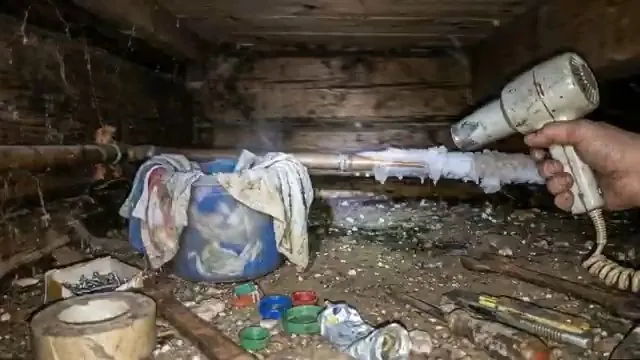
A slow drip keeps water moving in an exposed supply line, which lowers the chance of a freeze in the worst cold. Shutting the main and opening taps to drain the lines is safer for a vacant home or a long trip. Frost depth is commonly cited at 30 to 36 inches in this region, and one nearby township code, Whitemarsh Township, states 36 inches, so the township confirms the figure for any buried line work. If a pipe does freeze, thaw it slowly with warm air and never an open flame.
Do the foundations around Cheltenham change how leaks are found?
Yes, but confirm what your own house has first. No source reviewed for this site names the dominant foundation type here, so a basement, crawl space or slab is something to check on your own property.
It matters because access decides the method. A basement or crawl space lets a plumber see and reach supply and drain lines, while a slab hides lines under concrete and calls for leak location before anything is opened. The slab leak page explains that process for homes that have one.
Does replacing a water heater need a permit in Cheltenham Township?
Confirm with the township before the swap, because the text reviewed does not spell it out. Chapter 209 of the township code, the plumbing code amended in 2017, defines plumbing and drainage work to include repair or replacement of water supply piping, and it treats faucet swaps, same-place fixture reinstalls, leak stopping and clearing stoppages inside a structure as outside that definition (reviewed on ecode360 on 2026-11-13).
A water heater swap usually touches supply piping and often gas or electric connections, so the plumber checks the requirement with the township office and says whether a permit is needed. The plumber should be able to show a license the township accepts.
Who checks that plumbing work meets code?
The township does, through its plumbing inspector, and the plumber must hold a license the township recognizes. Chapter 209 names a plumbing inspector and accepts licenses from an approved examining board, including the Eastern Montgomery County testing center.
Take a homeowner replacing a main drain section. The plumber pulls the permit, and the township inspects before the trench is closed. Ask who pulled the permit, when the inspection is scheduled and whether the work was passed. The paperwork belongs in your house file, and it helps when you sell.
Call dispatch if your question is urgent
A plumber serving your area explains the problem and the options before work begins.
- Licensed and insured plumbers
- Same-day service when available
- 24/7 emergency dispatch