
24/7 Emergency Line Open
Garbage disposal repair and installation
Jammed, Humming or Leaking Garbage Disposal? Fixes and Replacements
A garbage disposal that hums without spinning, leaks under the sink or backs up into the other basin is a common kitchen failure, and it is often a quick one to fix. The question is whether the unit is jammed, worn out or simply connected to a drain that is clogged.
The plumber diagnoses which it is, repairs the disposal where that makes sense and installs a new one when it does not.
- Licensed and insured plumbers
- Same-day service when available
- 24/7 emergency dispatch
Garbage disposal repair: jams, humming and tripped resets
A disposal that hums but does not spin is jammed. A bone, a fruit pit or a piece of silverware has wedged against the impeller, and the motor cannot turn it. A disposal that is silent often has a tripped reset button on the bottom or a dead outlet. One that spins but grinds poorly may have worn parts and is nearing the end of its life.
- Switch the disposal off at the wall and unplug it or turn off the breaker before reaching in.
- Look into the drain with a flashlight and remove any visible object with tongs or pliers, never your fingers.
- Use the hex socket in the center of the underside to turn the impeller back and forth by hand until it moves freely.
- Press the red reset button on the bottom, restore power and run cold water as you test.
Safety: never put a hand inside a disposal, even when it is switched off, and do not use chemical drain cleaners in a unit that is jammed or backing up.
When a disposal leaks
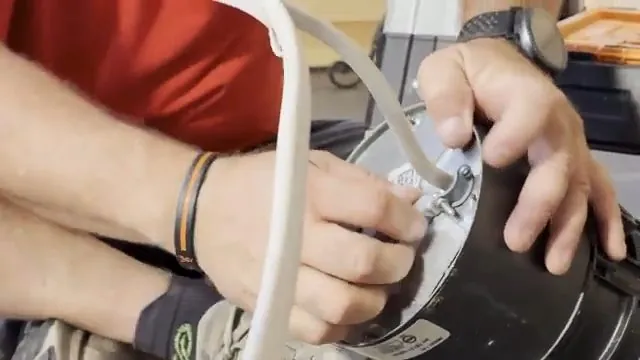
Water under the sink has several possible sources, and finding the right one matters because each has a different fix. A leak at the top, where the unit meets the sink flange, means the mounting seal has failed. A leak at the side points to the dishwasher inlet or the drain elbow. A leak from the bottom or from a seam in the body means the housing has cracked, and the whole disposal has to be replaced.
With the cabinet emptied and dried, run water through the disposal and watch where the first drop forms. A drip at a gasket or clamp is repairable. A body leak is not, and continuing to run the unit risks soaking the cabinet floor. If the sink base has been wet for a while, check it for swelling or soft spots and see the sink and fixture leak page for other places water hides.
Disposal humming, leaking or backed up?
Call dispatch with what you see under the sink and whether the other basin is filling. The plumber can say whether this is a clear-and-reset job or a replacement.
Disposal installation and replacement
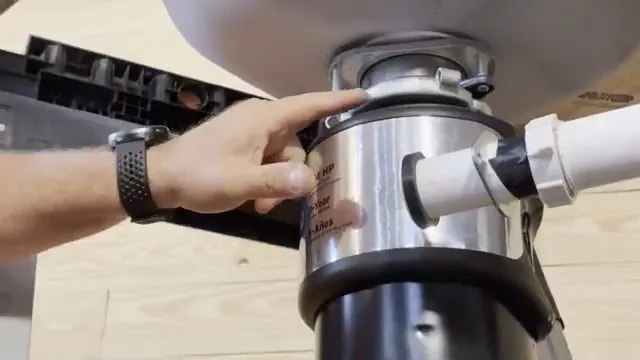
When a disposal is cracked, seized or years past its useful life, replacing it is straightforward. The plumber disconnects the drain and dishwasher line, releases the mounting ring, removes the old unit and hangs the new one, then reconnects the plumbing and the power. Wiring to a dedicated switch or outlet is part of the job, and a new dishwasher knockout plug has to be removed if a dishwasher is connected.
| Size or type | Where it fits | Notes |
|---|---|---|
| Quarter to half horsepower | Light use, small households | Slower on tough scraps |
| Three-quarter horsepower | Typical family kitchen | Balanced power and noise |
| One horsepower or more | Heavy cooking, large households | Larger, heavier and louder |
| Continuous or batch feed | Preference for how it starts | Batch feed runs only with the stopper in place |
A first-time installation also needs an outlet or switch within reach and a drain that can handle the extra load. Ask the plumber to check the trap and the branch that serves the sink before the disposal goes in. Also ask about the discharge: the drain elbow, the gasket and the dishwasher hose clamp are all replaced with the unit, which is inexpensive protection against a slow leak that would otherwise start a few months later. A power cord kit or a hardwired connection is chosen to suit the outlet under your sink, and the switch location is confirmed with you before the wiring is finished.
Time to replace the disposal?
Call dispatch with the model name if you can read it. The plumber will bring a unit that fits the mounting and the sink.
Clogs, dishwasher drains and what a disposal cannot handle
A disposal is not a garbage can. Grease hardens inside the P-trap and the drain line past it, fibrous scraps like celery and corn husks wrap around the impeller, and starchy foods such as pasta and rice swell into paste. When the sink backs up even after the disposal runs, the clog is usually in the trap or the branch drain, and the plumber clears it with a cable.
The dishwasher drains through the disposal in many kitchens, so a clogged disposal can make dishwater return into the sink or leave a standing pool in the dishwasher. Clearing the disposal and its knockout fitting often fixes both. Habits help more than products. Run a steady stream of cold water for fifteen seconds before and after grinding, feed scraps in small amounts and skip coffee grounds in bulk, eggshell piles and fibrous peels. Citrus rinds are fine in moderation and freshen the chamber, but they do not clean the drain line. If backups recur across the house, the cause may be farther down, and a camera look at the sewer lateral, described on the lateral camera inspection page, can confirm it.
Garbage disposal questions answered
Is it better to repair a garbage disposal or put in a new one?
Imagine a disposal that hums but does not spin: a jam is the likely cause, and freeing it with the hex key fixes it. A cracked housing, a leaking seam or a seized motor means replacement. If the unit is more than about eight years old and has had repeated trouble, replacing it usually makes more sense than another repair.
How long does a garbage disposal last, and what does a replacement involve?
Do now: stop using a unit that leaks or smells burnt. Can wait: a disposal that is slow but working. Most last eight to fifteen years, depending on use. A replacement takes the plumber a short visit, including disconnecting the drain and dishwasher line, mounting the new unit and checking for leaks.
Do I need a plumber for garbage disposal repair?
A jam can often be cleared yourself with the power off. Leaks, wiring problems and replacements are better done by a plumber, because a poorly seated drain or a loose clamp leaks into the cabinet. A plumber also checks the trap and the drain beyond it, so the new disposal is not set on a clogged line.
Why is my disposal humming and not spinning, and what should I do?
Two possibilities. If it hums and does not turn, a foreign object is jammed in the grinding chamber: switch it off, clear it with the hex key from underneath and press reset. If it makes no sound at all, the reset has tripped or power is off. Call if it hums again right after the fix, since the motor may be failing.
A kitchen sink that drains and a disposal that spins
Call dispatch and say what the disposal is doing and whether water is backing up. The plumber will clear it, repair it or replace it.
- Licensed and insured plumbers
- Same-day service when available
- 24/7 emergency dispatch