
24/7 Emergency Line Open
Gas line installation and repair
Emergency Gas Line Repair and New Gas Piping in Cheltenham
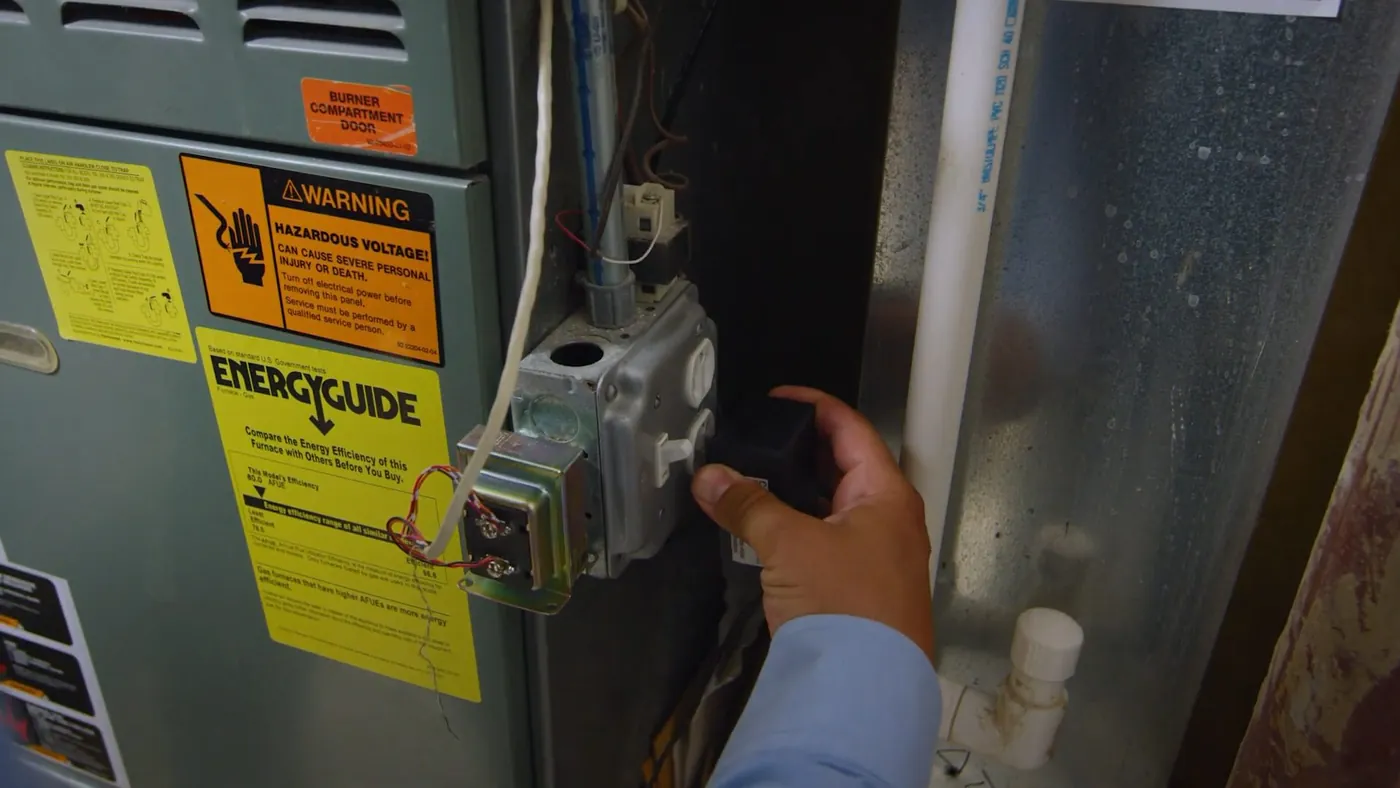
Gas pipe work is a matter of safety before convenience. A line that smells, hisses or has been damaged is an emergency, and a new line for a range, dryer, fireplace or grill needs to be sized, joined and pressure tested correctly.
The plumber repairs leaking piping, installs new runs and appliance connections, and tests each system before it is put back in use.
- Licensed and insured plumbers
- Same-day service when available
- 24/7 emergency dispatch
If you smell gas: what to do before anything else
The smell added to natural gas is strong on purpose, so a rotten-egg odor inside the house is a warning to act. Do not look for the source, flip switches, use a phone near the smell or light anything. Leave first, then call for help from outside.
- Get everyone, including pets, out of the house and leave doors open as you go.
- Do not operate light switches, garage door openers or electronics, and do not start a vehicle in an attached garage.
- From a safe distance, call 911 and the gas utility's emergency line, which is printed on your bill.
- Stay outside until the utility or fire crew says the building is safe, then call a plumber for the repair.
Safety: a gas smell is never a wait-and-see problem. The utility checks and shuts off its side of the meter, while a plumber finds and repairs leaks in the piping and appliance connections after you are cleared to return.
Gas line repair: finding and fixing a leak
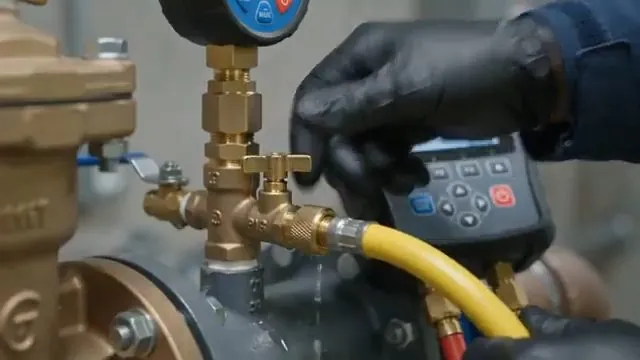
A gas leak in house piping tends to occur at a threaded joint, a flexible appliance connector, a corroded section of black iron pipe or a spot where something has struck the line. The plumber isolates the system, tests it with a gauge to find which section is losing pressure and checks joints with a leak-detecting solution. Repairs range from tightening or replacing a connector to cutting out and replacing a damaged run.
Gas pipe is not patched with tape or putty. A damaged section is replaced and every joint on the new run is tested. Ask the plumber to explain what was found, what was replaced and what the final pressure test showed. Keep that explanation with your house records, because it answers the first question an inspector, an insurer or a buyer will ask about the gas system. Flexible appliance connectors are worth replacing whenever an appliance is moved, since an old connector that is bent back into place can crack at the fitting.
Gas smell or a damaged gas pipe?
Leave the building first, then call dispatch from outside for the repair after the utility has cleared the building.
Gas line installation for appliances
A new gas line is sized to the total demand of the appliances it feeds, so a range, a dryer and a fireplace on one branch need a larger pipe than any of them alone. The plumber measures the run, picks pipe diameter and material, runs the line, adds a shutoff valve at each appliance and tests the whole system before the connectors are attached.
| Appliance | What the line needs | Notes |
|---|---|---|
| Range or cooktop | Dedicated branch with a shutoff valve | Connector type depends on the model |
| Dryer | Branch with a shutoff valve and a vent path | Keep the lint trap and vent clear |
| Fireplace or fire pit | Line sized for high demand, often with a key valve | Placement and clearances matter |
| Grill or generator | Outdoor line with a quick-connect or a hard pipe | Buried sections are protected and tested |
PECO is the utility that supplies gas here. On its service application, PECO puts the piping after the meter on the customer or the contractor they hire, and expects that work to follow the International Fuel Gas Code or local township codes (form as filed with a neighboring township). Ask the plumber which permits apply to your job.
Pipe replacement: black iron, CSST and old gas piping
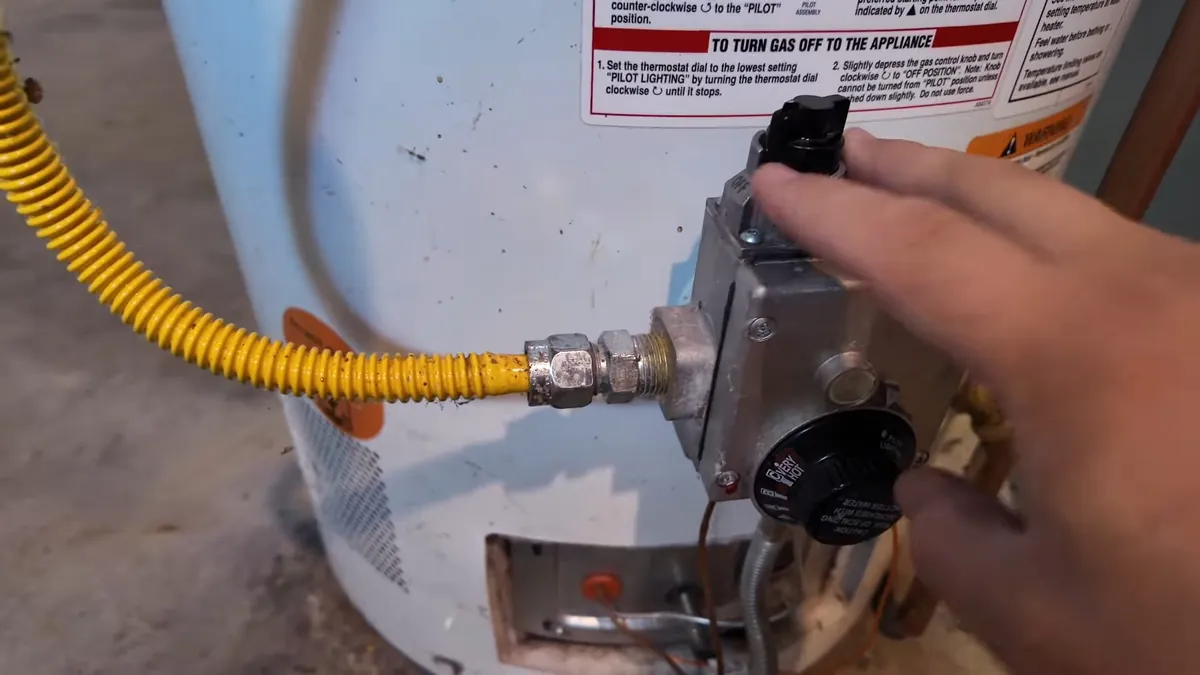
Houses of different ages use different gas pipe. Older homes usually have black iron, which is durable but can corrode at joints. Newer homes may use corrugated stainless steel tubing, known as CSST, which needs proper bonding and protection. Replacing a run is done when the pipe is corroded, when a connection has been repeatedly repaired or when a renovation changes the layout.
A utility's own mains are a separate matter. PECO has filed to retire old cast iron, steel and wrought iron main in Cheltenham Township, including work along Fisher Road and Glen Road, and its crews work on the street side of the meter (Public Utility Commission notice). Your plumber covers the pipe from the meter into the house.
New range, dryer or fire pit planned?
Call dispatch to plan the gas run, the shutoff and the test before the appliance is delivered.
Pressure testing, inspection and propane
A pressure test is the proof that gas piping is tight. After the work, the plumber raises the pressure to a defined level and watches the gauge for a set time. A drop means a leak, and the system is not released until it holds. A test and inspection are also worth having before you buy a house, after a renovation or when you add a new appliance.
Homes with a propane tank follow similar steps but have different pressure and regulator requirements. The plumber can connect piping to a propane system, while the tank and its refilling remain with the propane supplier. State whether your home uses natural gas or propane when you call. A gas water heater swap is a common reason for a new connector or branch, and the gas heater replacement steps page covers it. Everything else about the plumbing for the house starts on the Cheltenham plumbing homepage.
Gas line questions answered
Who installs gas lines for stoves and other appliances?
A plumber handles the piping from the meter to the appliance shutoff, sizes it and pressure tests it. The utility owns and maintains its main and the meter. An appliance installer may connect the stove itself, but the line behind it is plumbing work, and the permit questions are best asked before the first cut.
When should I have a gas line inspection or pressure test?
Do it when you buy a house, after a remodel that moved gas piping, before adding an appliance and any time you suspect a leak. Scenario: a homeowner adds a gas dryer to a laundry room that had an electric one. The branch is sized, tested and given a shutoff before the dryer is connected, and the test result is kept with the house records.
What do I do if I smell gas?
Do now: leave the building with everyone in it, do not touch switches or use a phone inside, and call 911 and the gas utility from outside. Can wait: finding the cause. After the utility clears the building, a plumber finds the leak, repairs the piping and tests it before the system is used again.
What does a gas pressure test involve?
The plumber caps the system, connects a gauge, raises the pressure to a set value and watches it for a period. If the reading holds, the piping is tight. If it drops, the plumber finds the leak by checking joints with a leak-detecting solution, fixes it and tests again. The result is recorded so you have proof.
Gas piping that is sized, tested and safe to use
Call dispatch from a safe spot with the appliance, the fuel and what you noticed. The plumber will repair the leak or plan the new line.
- Licensed and insured plumbers
- Same-day service when available
- 24/7 emergency dispatch